


8th Syngenta Symposium
«AI-Augmented Chemistry»
22. October 2026, Syngenta Research Center, Stein
8th Syngenta Symposium
«AI-Augmented Chemistry»
22. October 2026, Syngenta Research Center, Stein
8th Syngenta Symposium
«AI-Augmented Chemistry»
22. October 2026, Syngenta Research Center, Stein
8th Syngenta Symposium
«AI-Augmented Chemistry»
22. October 2026, Syngenta Research Center, Stein
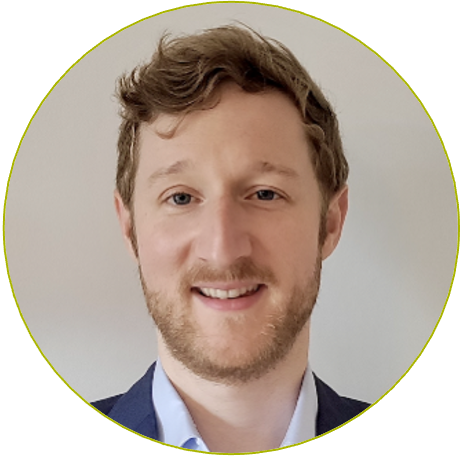
Dr. Patrick Bryant, Stockholm University
Research mission: My research group’s mission is to improve global health and accelerate the pace of scientific discovery for humanity by developing new AI technology that bridges the gap between computational prediction and complex biological function.
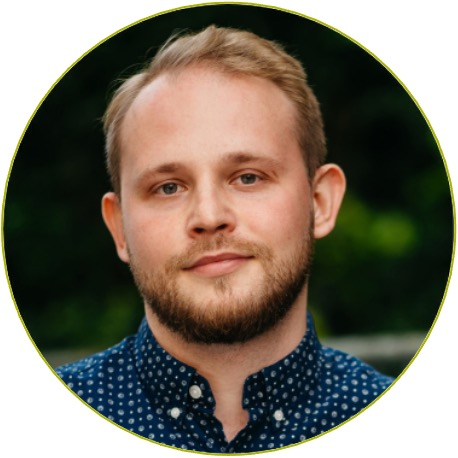
Prof. Martin Pačesa, University of Zurich
Research mission: The Pacesa lab develops computational and experimental approaches to understand and engineer dynamic biomolecular systems. We are particularly interested in extracting structural heterogeneity directly from real experimental data, designing programmable protein-protein and protein-nucleic acid interactions using deep learning, and validating these systems in biochemical and cellular settings. By combining structural biology, AI-driven molecular design, and experimental grounding, we aim to build accessible technologies that advance de novo biologics, programmable molecular interactions, and ultimately more realistic models of artificial and programmable biology, while translating these advances toward therapeutic applications.
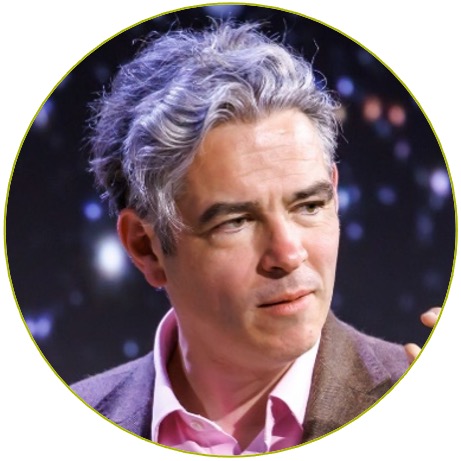
Prof. Leroy Cronin, University of Glasgow
Research mission: Lee Cronin is a Chemist. He is the Regius Professor of Chemistry at the University of Glasgow and the Founder & CEO of Chemify. He is known for his approach to the digitization of chemistry and developing digital-to-chemical transformation known as Chemputing which can turn code into reactions and molecules. He has also developed a new theory for evolution and selection called assembly theory which aims to quantify and explain how selection can occur in chemistry before biology. Lee is also exploring how chemical systems can compute, and what is needed for the evolution of intelligence, as well as designing a new type of computational system that uses information encoded in chemical reactions and molecules.
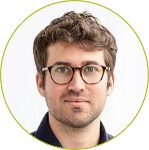
Prof. Philippe Schwaller, EPFL Lausanne
Research mission: The Laboratory of Artificial Chemical Intelligence (LIAC) at EPFL develops AI methods that act as collaborators in chemical research. Our work spans four directions: large language models for chemistry, computer-aided synthesis planning, generative molecular design, and Bayesian optimization for experimental campaigns. We build tools that help chemists reason about molecules, plan reactions, propose new structures, and run smarter experiments, shortening the path from chemical question to discovery.
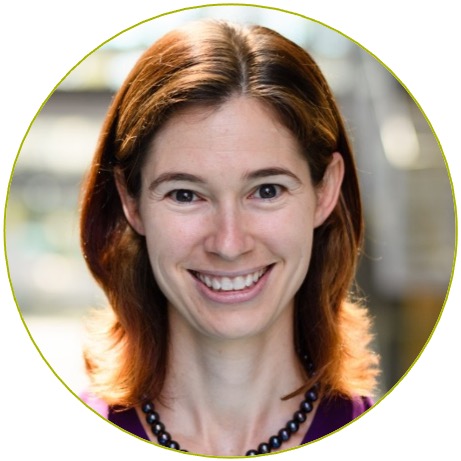
Prof. Abigail Doyle, UCLA
Research mission: The Doyle lab conducts research at the interface of organic, organometallic, and physical organic chemistry, enhanced by the use of modern data science and machine learning tools. Our goal is to address unsolved problems in organic synthesis through the development of novel catalysts, catalytic reactions, and synthetic methods. We implement mechanistic and computer-assisted techniques to uncover general chemical principles, predict unseen reactivity, and discover new reactions
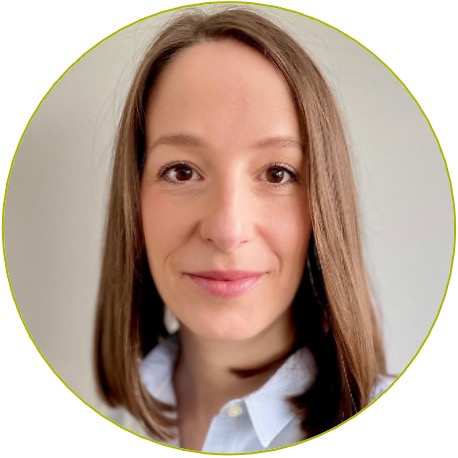
Dr. Nadine Schneider, Novartis
Research mission: My team focuses on advancing AI/ML approaches for small molecule drug discovery, with a particular emphasis on generative chemistry, predictive models, data science, and cheminformatics. We aim to accelerate and improve lead generation and optimization by integrating computational approaches with medicinal chemistry expertise, enabling more efficient exploration of chemical space and improved decision-making across drug discovery projects.
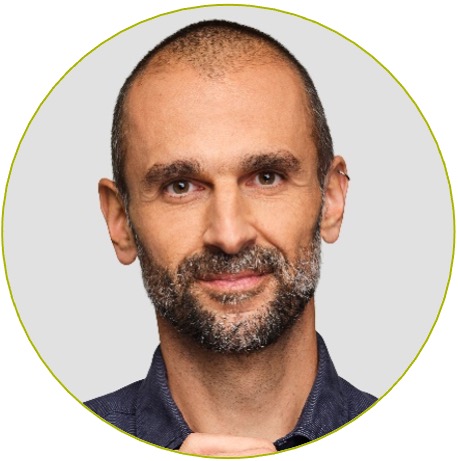
Dr. Teodoro Laino, IBM Research
Research mission: Over the last six years, AI has changed how we work with chemical information. We started by treating reactions as a language problem: molecules and reactions could be written, translated, predicted, and searched. This led to Molecular Transformers, at the core of the forward and procedure prediction models, as well as retrosynthesis workflows all combined in a platform named RXN for Chemistry. The same architecture was at the core of the first integration of AI-controlled laboratory automation (RoboRXN). But chemistry is not only text. It is also spectra, structures, simulations, procedures, and experimental results. In this talk, I will show how our work moved from reaction prediction to models that connect molecules with measurements, especially IR and NMR spectra, and how this is now evolving toward multimodal models for chemistry. I will also discuss the Swiss AI Initiative and the effort we made to build models that combine different types of chemical evidence in a reliable and reproducible way. Finally, I will explain where quantum computing fits into this picture, not as a magic shortcut, but as part of the next digital layer for chemistry. The goal is simple: help chemists make better decisions, faster.